
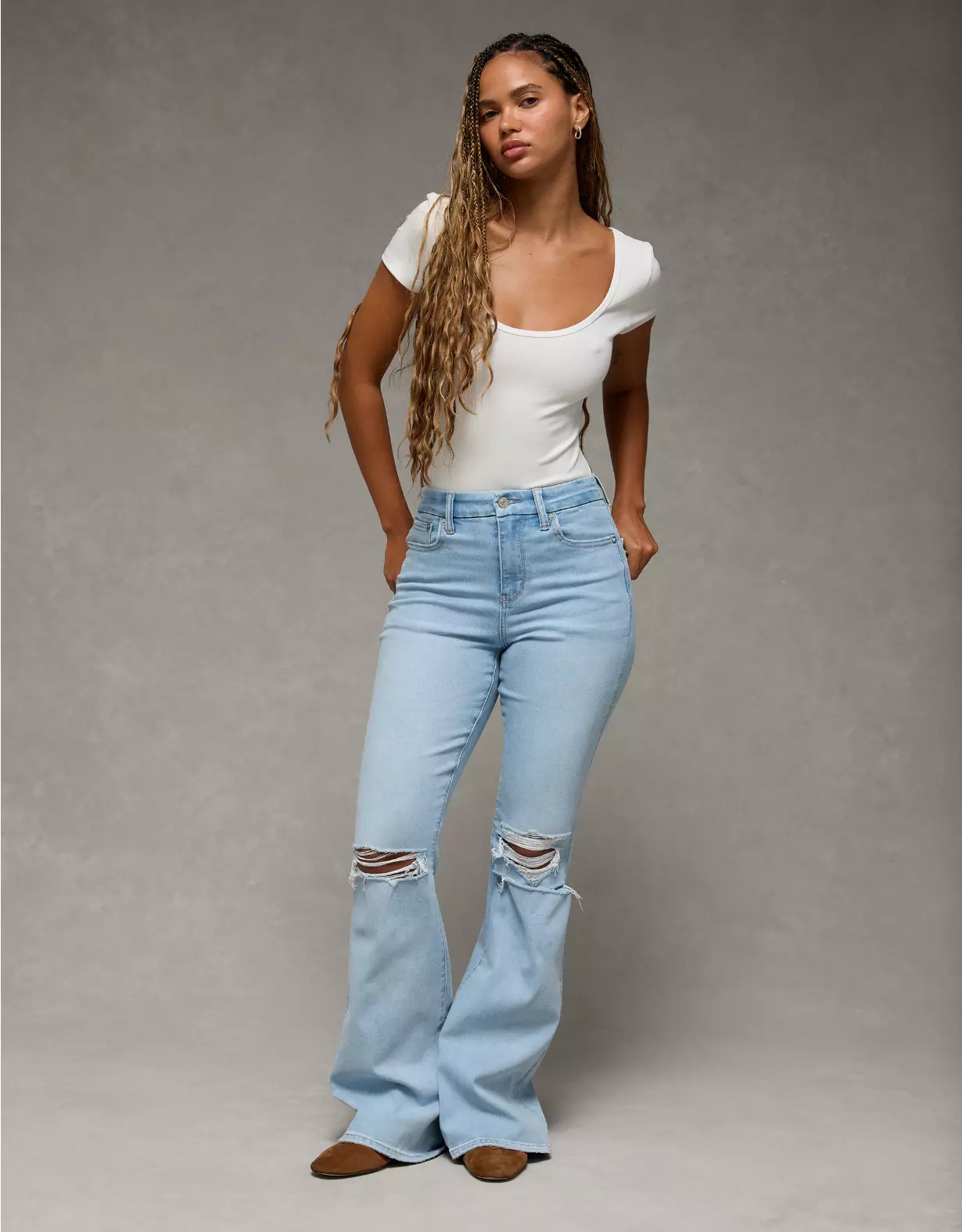
The Thread of Time: Evolution of Modern Silhouettes
The history of clothing is a mirror reflecting the evolution of society itself. From the restrictive corsetry of the past to the fluid, gender-neutral shapes of today, every change in silhouette tells a story of liberation, technological advancement, and shifting cultural values.
The Shift Toward Utility
In the early 20th century, the demand for practical clothing surged as lifestyles became more active. The transition from heavy, multi-layered garments to streamlined shapes was a response to the need for mobility. This era introduced the concept of “separates,” allowing people to mix and match pieces for the first time. It was the birth of the modern wardrobe—one built on versatility and function.
Technology and Textile Innovation
The mid-century brought a revolution in material science. The invention of stretch fabrics and moisture-wicking fibers changed the way clothing interacts with the body. Suddenly, garments could be both form-fitting and comfortable. This technological leap didn’t just change sportswear; it influenced formal attire, making it lighter and more resilient to the stresses of daily travel and long hours.
The New Era of Fluidity
Today, we are witnessing the breakdown of traditional categories. The lines between “formal” and “casual,” or “masculine” and “feminine,” are blurring. Contemporary designers are focusing on volume, proportion, and texture to create pieces that prioritize the individual’s comfort over societal expectations. This era of clothing is defined by its inclusivity and its refusal to be confined by rigid definitions.